
More results

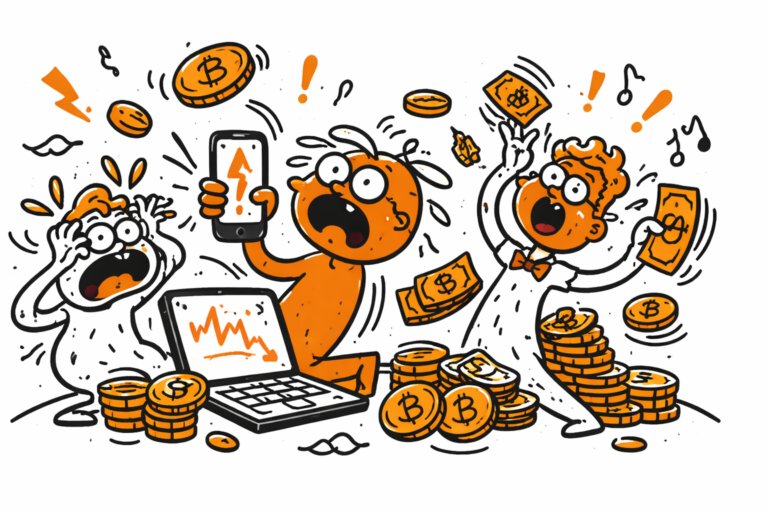
The global crypto asset market has once again entered a critical phase in February 2026. Bitcoin (BTC), the digital asset with the largest market capitalization, recorded a sharp correction, falling to the $66,000–$68,000 range (around IDR 1.09 billion) after having traded at much higher levels earlier in the year. This decline not only triggered panic across exchanges but also reignited pessimistic narratives throughout the digital space.
A Perfect Storm: Interest Rates and Mass Liquidations
This sharp correction was driven by a “perfect storm” combining macroeconomic and technical factors. The appointment of Kevin Warsh as a candidate for the new Chair of the U.S. Federal Reserve strengthened expectations of hawkish (tightening) monetary policy, pushing the U.S. dollar index (DXY) higher and putting pressure on risk assets.
From a technical perspective, the drop below the psychological $70,000 level triggered a liquidation cascade—a domino effect in which billions of dollars’ worth of long positions were automatically liquidated. This forced prices down even further in a short period of time, creating a vertical red chart that shocked many market participants.
Google Trends Anomaly: “Bitcoin Is Dead” Hits a Record
Interestingly, this price drop was accompanied by a dramatic surge in search volume for the keyword phrase “Bitcoin is dead” on Google. Google Trends data shows that the search index for this phrase reached a score of 100 (the highest level in history) in February 2026, matching the level of fear seen during the collapse of the FTX exchange in 2022.
For senior analysts, this spike is often viewed as a contrarian indicator. When the public collectively declares Bitcoin “dead,” it typically signals selling exhaustion (capitulation), where selling pressure has peaked and the market is approaching a bottom before potentially reversing.
Retail Perspective: Between Extreme Fear and Opportunity
Among retail investors, sentiment is currently in the “Extreme Fear” zone. Many new investors who entered at higher prices are now facing portfolio losses of up to 25–30%. This has triggered a wave of panic selling, driven by psychological pressure and amplified by mainstream media coverage.
However, not all retail investors are giving up. Some experienced investors are beginning to view this correction as a long-term accumulation opportunity. They are making use of features such as staking or USD yield products to park funds while waiting for volatility to subside.
Join the Conversation
Please log in or create an account to view comments and post your own.