As global geopolitical shocks collide with domestic vulnerabilities, Indonesia’s central bank has quietly abandoned its promise to cut rates — and replaced it with something harder to reverse.
Beneath the daily fluctuations of currencies and equity markets lies a structural hierarchy of safety, liquidity, and trust. When uncertainty rises, capital instinctively migrates toward the deepest and most liquid pools in the world economy. Over the past week, that migration has once again been visible in the strengthening of the US Dollar Index, which has climbed to its highest level in roughly nine months as investors reposition toward dollar assets.
Indonesia may be Southeast Asia’s largest economy, but it is also a net importer of oil. That reality means that when global crude prices spike, the impact quickly ripples through the government budget. This week, policymakers signaled that the risk is no longer theoretical.
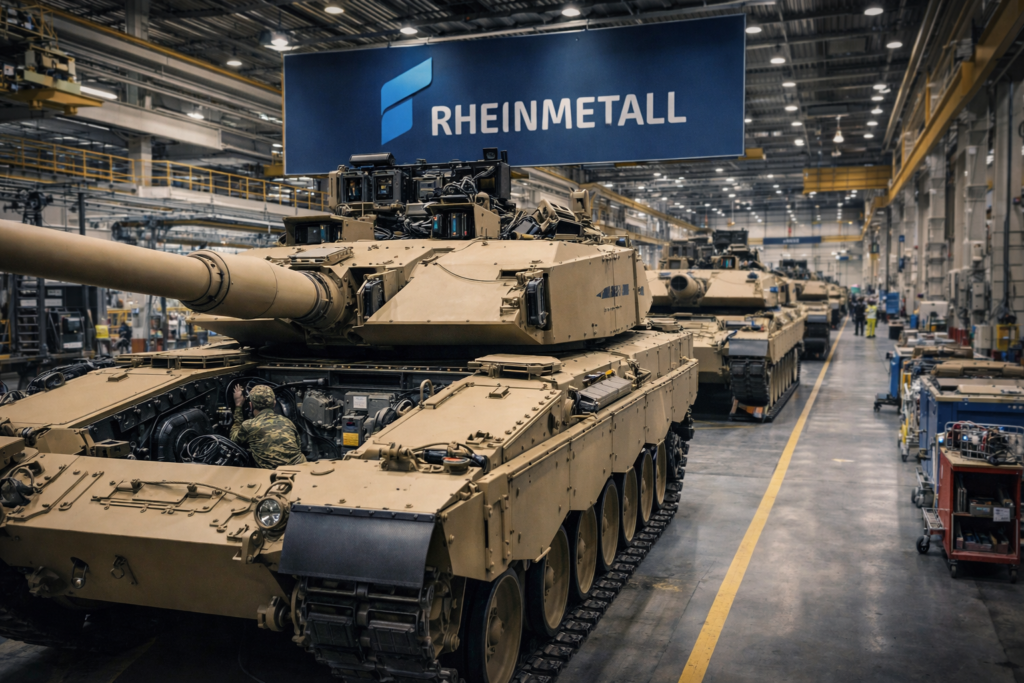
Ever since Russia launched its imperialist invasion of Ukraine, European defence companies have been scrambling to fill the sudden influx of new orders whilst simultaneously improving their own capacity following decades of stagnation due to the ‘peace dividend era’, amongst other things. One company currently taking off is Germany’s Rheinmetall, whose stock price has currently risen over 1000%.
In late 2025, catastrophic floods in Sumatra led to significant environmental and human damage, prompting a government intervention in corporate land management. President Prabowo Subianto’s revocation of permits from 28 companies and their transfer to state-owned enterprises raises questions about genuine environmental accountability versus state control. This shift jeopardizes ecological restoration and may redefine Indonesia’s governance trajectory, risking repeated disasters under new ownership.
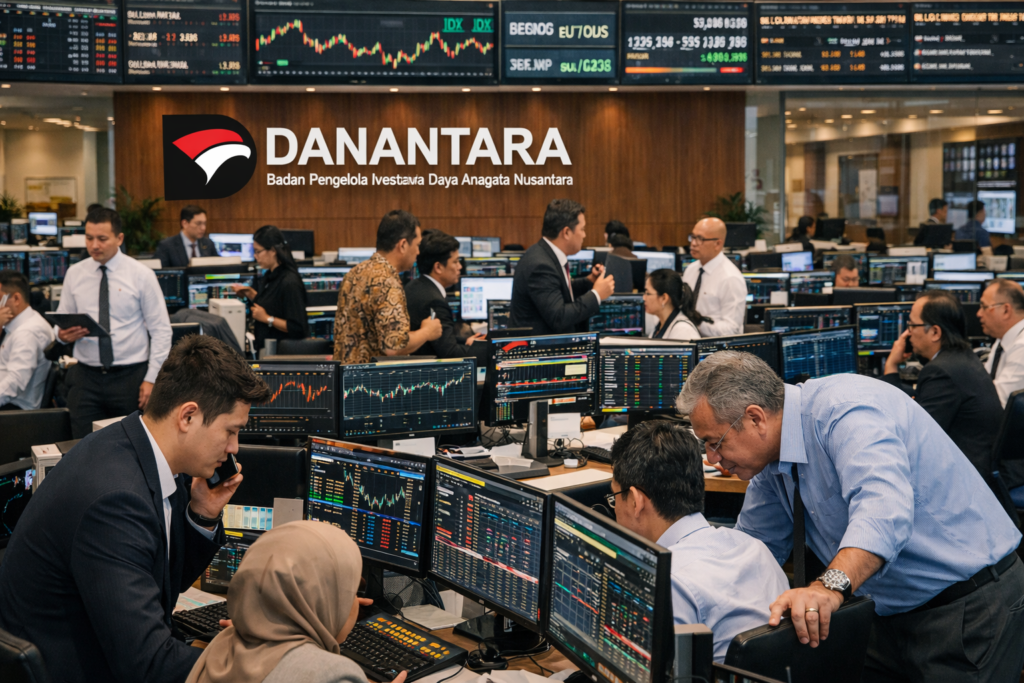
Indonesia’s state investment arm, Danantara, plans to invest about 50 percent of its funds into public markets, including stocks and bonds. This strategy aims to strengthen domestic financial markets and increase liquidity. Danantara’s focus is on quality investments with strong fundamentals, enhancing its role in the Indonesian economy and attracting more participants.
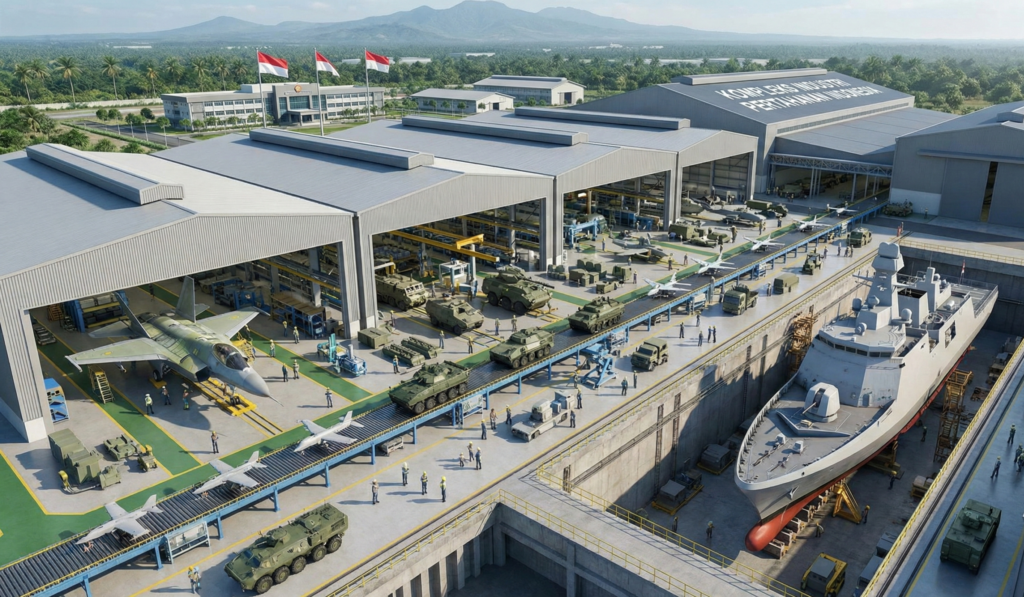
Amid increasing geopolitical tensions, nations are enhancing their defense strategies. Indonesia aims for self-sufficiency in defense production, focusing on utilizing its mineral wealth for manufacturing essential military materials. The rise of private companies in the sector, combined with government reforms, suggests a transformative period for the Indonesian defense industry, presenting significant investment opportunities.
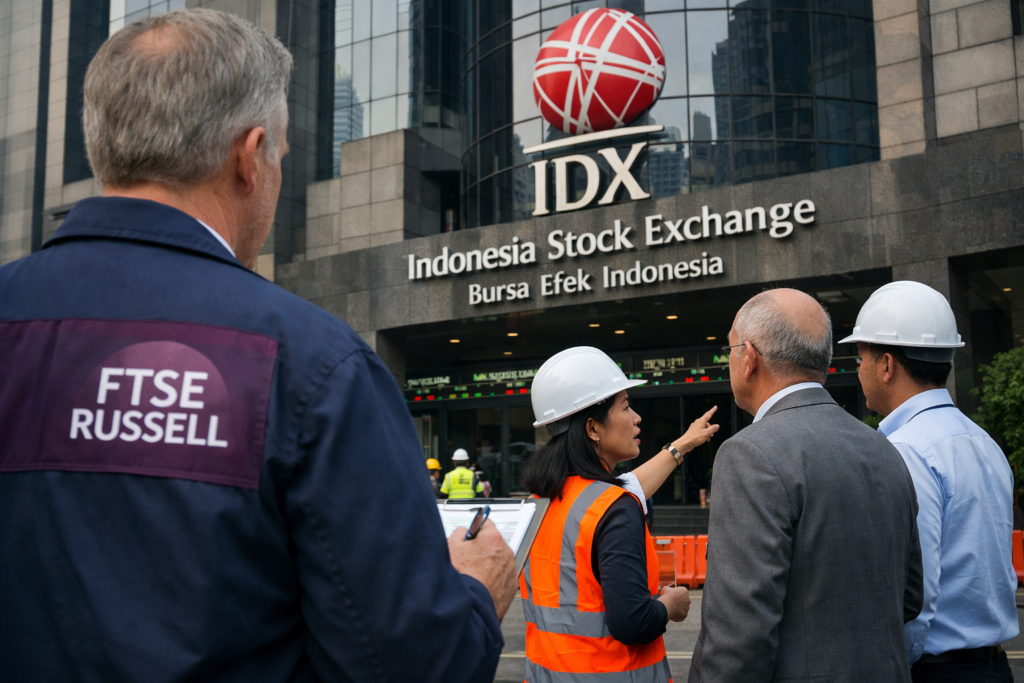
FTSE Russell has postponed its March 2026 review of Indonesian stocks due to uncertainties regarding trading conditions and free float measurement. This decision, mirroring similar actions by MSCI, affects global investment flows into Indonesia. Market reforms are underway, but investor caution persists as firms seek transparency and liquidity before making allocations.
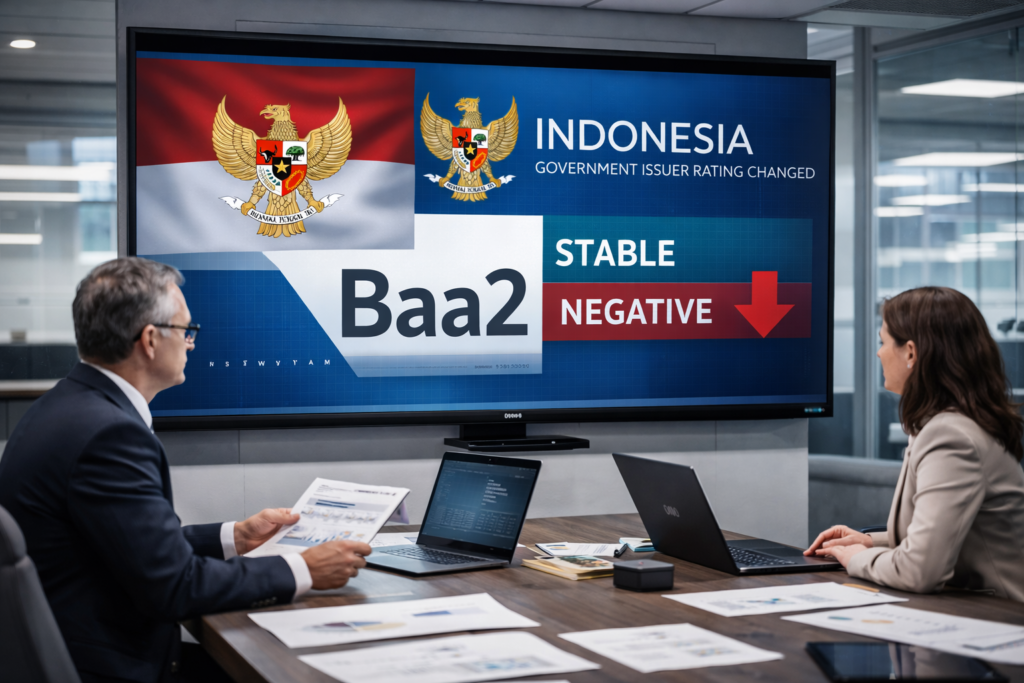
Moody’s has changed Indonesia’s issuer rating outlook from Stable to Negative, while maintaining a Baa2 rating, citing reduced policymaking predictability and concerns over the sovereignty wealth fund, Danantara. Despite robust GDP growth, government fiscal risks from new social programs and poor communication could threaten Indonesia’s financial stability and borrowing costs.
Jakarta’s capital markets have entered one of their most turbulent periods in years. A sharp sell-off that erased roughly $80 billion in market value on the Jakarta Composite Index has exposed deep-rooted concerns about transparency, governance, and trading practices, prompting urgent regulatory reform efforts and high-profile leadership shake-ups.