The principles embedded in the Geneva Conventions remind us that even in conflict, there are lines that should not be crossed. As economic tools become more powerful, those principles must evolve to apply not just to bombs and battlefields, but to banks and balance sheets. But the growing perception that systems like SWIFT can be weaponized risks accelerating the fragmentation of the global financial system.
Indonesia may be Southeast Asia’s largest economy, but it is also a net importer of oil. That reality means that when global crude prices spike, the impact quickly ripples through the government budget. This week, policymakers signaled that the risk is no longer theoretical.
In recent months, prediction markets like Polymarket have shattered taboos by letting users bet on geopolitical violence – and some of those bets have been chillingly prescient. As The Atlantic bluntly warned, “Insider trading is going to get people killed” because these “war markets are a national-security threat.”.
There’s been a notable sell-off in US markets this week, with equities and Treasuries feeling pressure as geopolitical tensions between the United States and the European Union escalated after President Trump’s aggressive statements on Greenland. The S&P 500, Dow Jones, and Nasdaq all saw significant weakness, safe-haven assets like gold jumped, and yields on U.S. Treasuries rose as investors reassessed risk and the prospect of a transatlantic trade conflict.
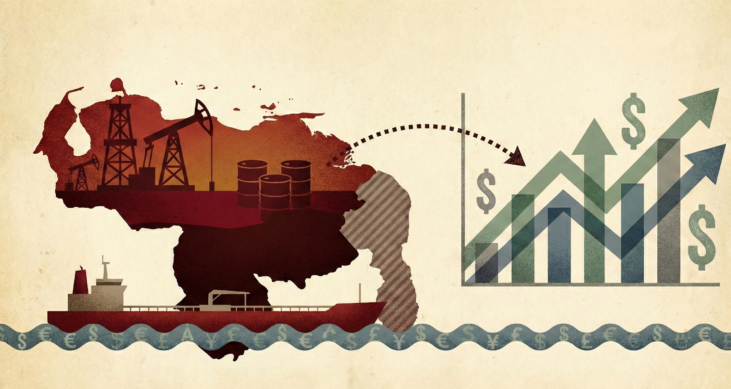
Following the US intervention on Jan 3rd and the establishment of the Interim Government, we now see that the US Dept. of Energy is officially rolling back sanctions to allow around 30-50M barrels of Venezuelan crude to flow into the US.