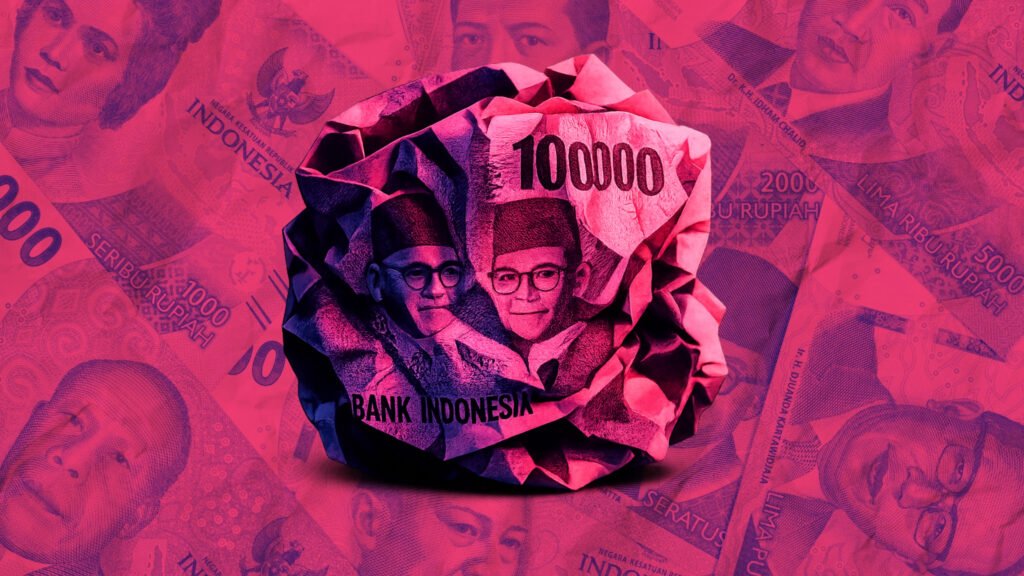
Indonesia’s economic trajectory raises a deeper strategic question. Is the country becoming a model of stable emerging market growth, or is it drifting into a comfortable form of stagnation? Indonesia’s future therefore depends on whether stability becomes a platform for industrial acceleration or a ceiling that limits ambition.
Indonesia may be Southeast Asia’s largest economy, but it is also a net importer of oil. That reality means that when global crude prices spike, the impact quickly ripples through the government budget. This week, policymakers signaled that the risk is no longer theoretical.
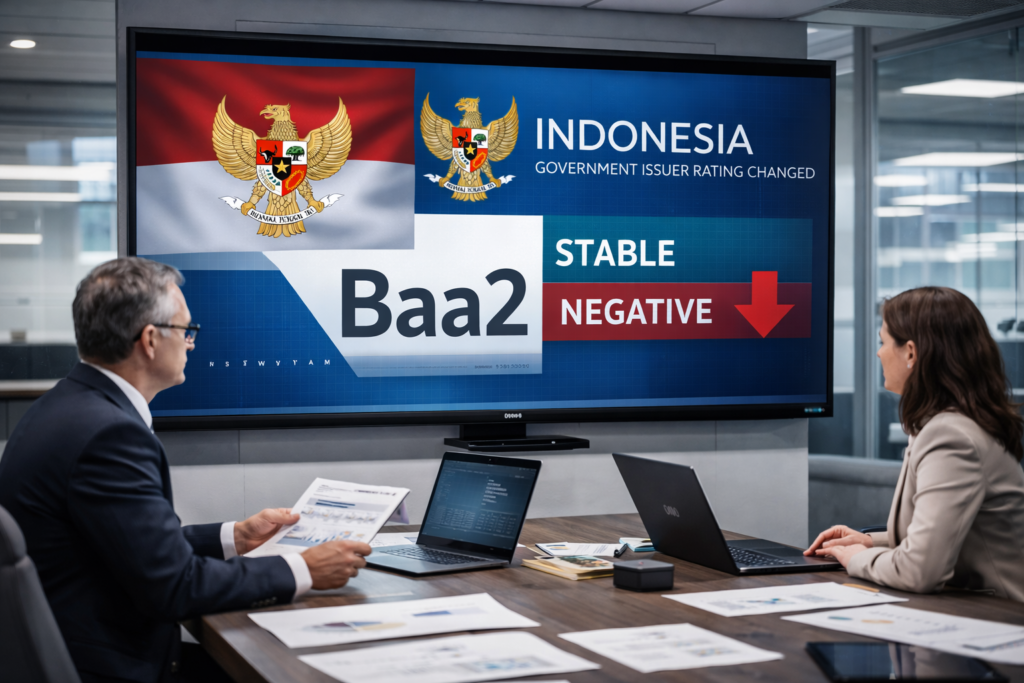
Moody’s has changed Indonesia’s issuer rating outlook from Stable to Negative, while maintaining a Baa2 rating, citing reduced policymaking predictability and concerns over the sovereignty wealth fund, Danantara. Despite robust GDP growth, government fiscal risks from new social programs and poor communication could threaten Indonesia’s financial stability and borrowing costs.
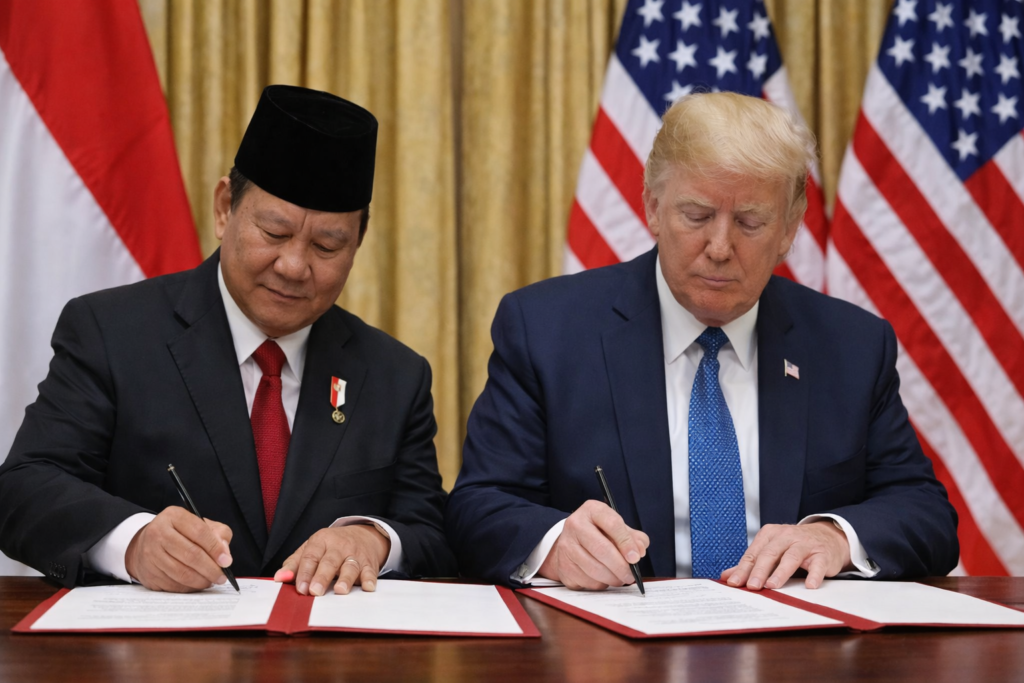
On February 18–19, 2026, Indonesia and the U.S. established a landmark bilateral economic relationship with trade agreements valued at $38.4 billion. These commitments, covering various sectors, signal a shift towards deeper economic integration. However, successful implementation hinges on disciplined governance and structural reforms to enhance productivity and living standards for Indonesians.
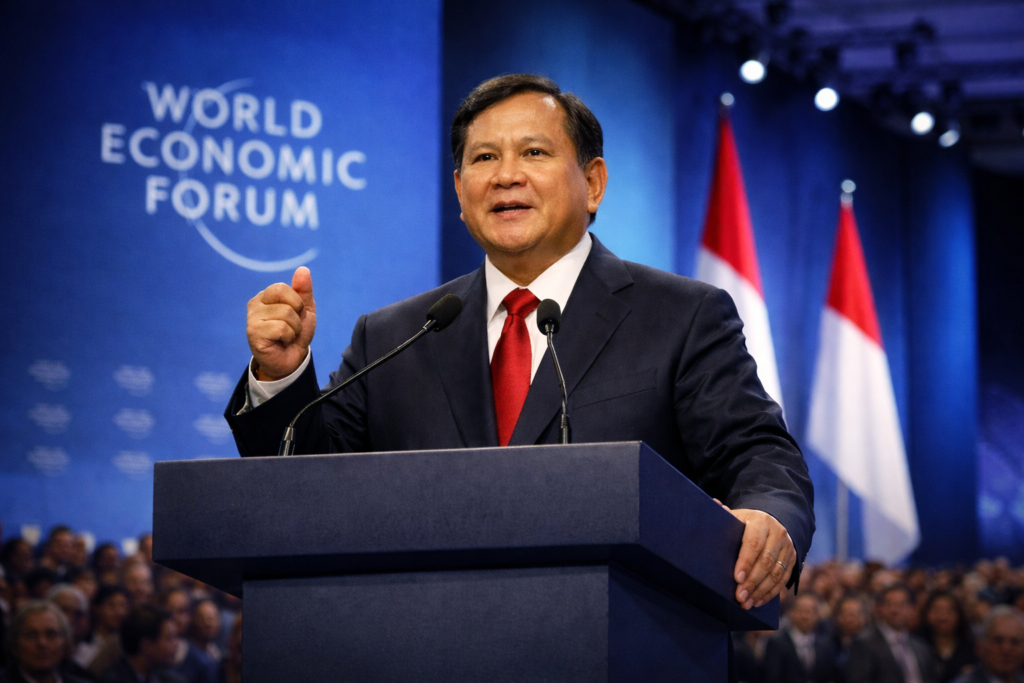
On January 22, 2026, Indonesian President Prabowo Subianto addressed the World Economic Forum, emphasizing Indonesia’s commitment to peace, stability, and global cooperation during uncertain times. He introduced his economic framework, “Prabowonomics,” and highlighted national programs for social welfare, education, and anti-corruption, positioning Indonesia as a responsible global partner in economic development.