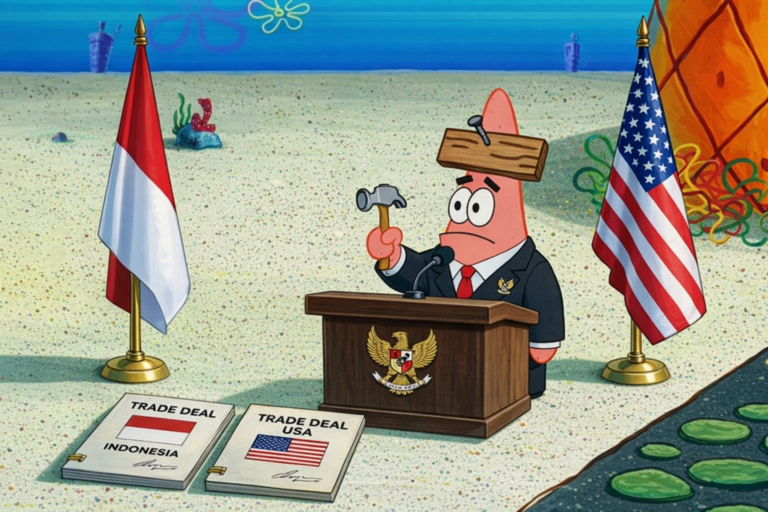
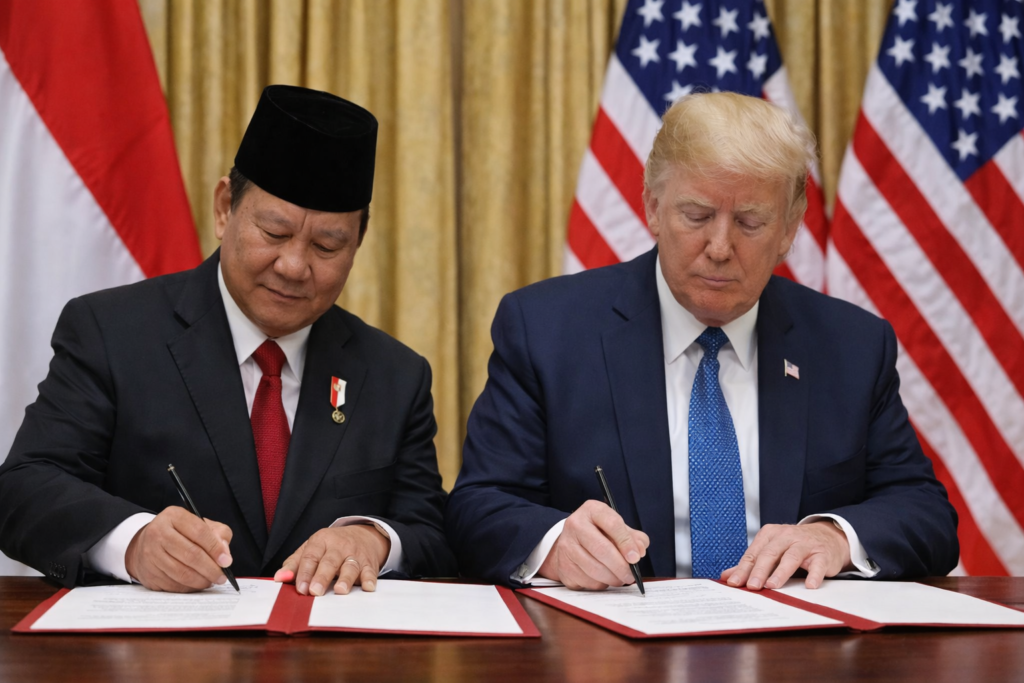
As someone who is managing a sizable portfolio closely monitoring Southeast Asian emerging markets, I’ve been reviewing the structural implications of the recently signed Agreement on Reciprocal Trade (ART) between Indonesia and the United States. While political back-patting is in full swing, a cold, hard look at the macroeconomic realities reveals a highly lopsided arrangement.
On February 18–19, 2026, Indonesia and the U.S. established a landmark bilateral economic relationship with trade agreements valued at $38.4 billion. These commitments, covering various sectors, signal a shift towards deeper economic integration. However, successful implementation hinges on disciplined governance and structural reforms to enhance productivity and living standards for Indonesians.
Indonesia plans to introduce export taxes on coal (1%–5%) and gold (7.5%–15%) starting in 2026 to enhance fiscal revenues and promote domestic processing. The coal tax responds to price fluctuations, while the gold tax aims to incentivize refined production. The policy supports industrial development and aims to stabilize resource governance amidst global challenges.