
More results

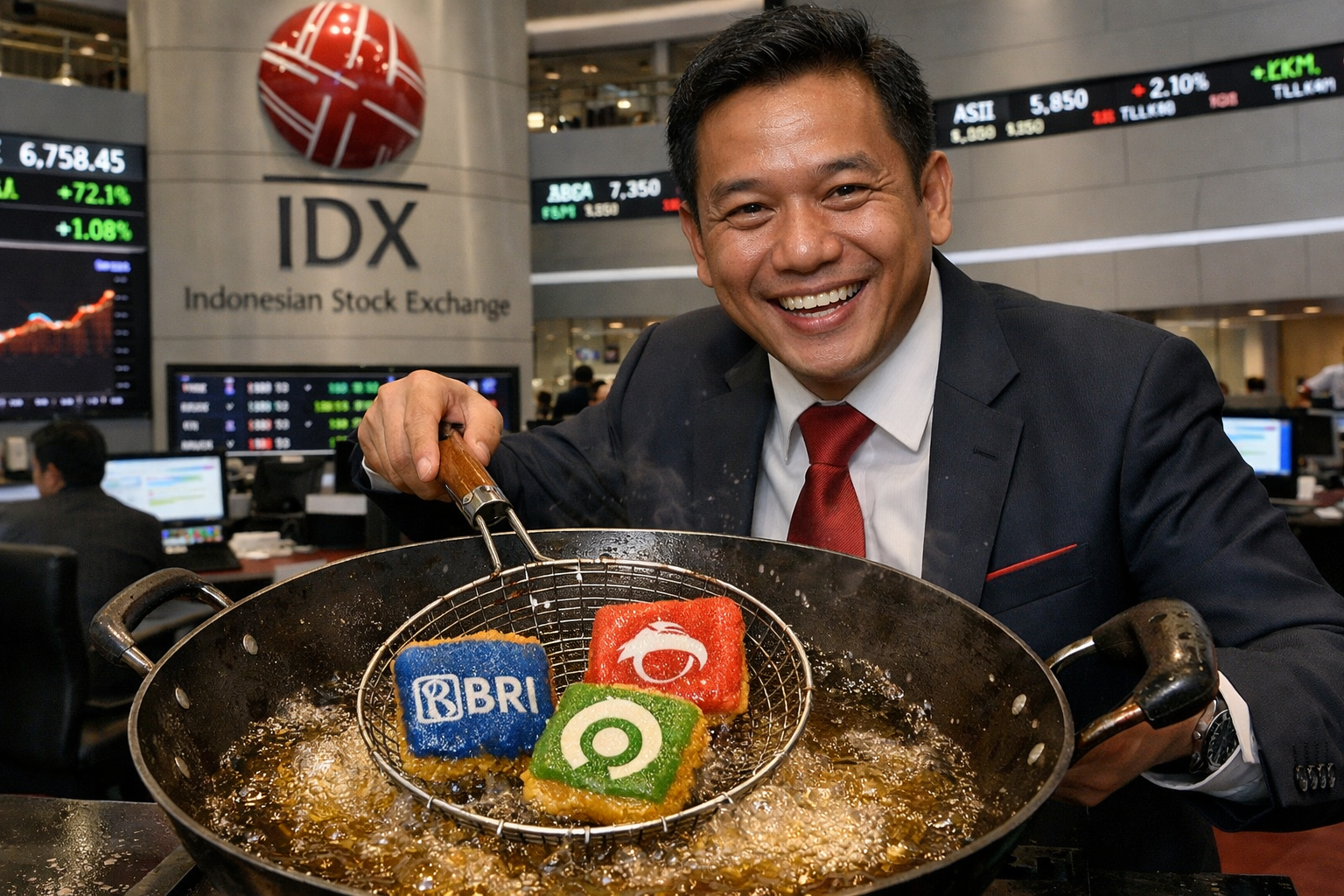
Jakarta’s capital markets have entered one of their most turbulent periods in years. A sharp sell-off that erased roughly $80 billion in market value on the Jakarta Composite Index has exposed deep-rooted concerns about transparency, governance, and trading practices, prompting urgent regulatory reform efforts and high-profile leadership shake-ups.
A Sudden Collapse Triggered by MSCI Concerns
The turmoil was set off by a warning from MSCI, a leading global index provider, that it may downgrade Indonesian equities from emerging-market status to frontier market. MSCI cited “fundamental investability issues” — particularly a lack of ownership transparency, questionable data on free float, and potential coordinated trading behavior that distorts price discovery.
Investors reacted sharply. Over a two-day stretch late January, the benchmark stock index fell as much as 16 per cent, triggering emergency trading halts and widespread selling. Foreign portfolios recorded heavy net outflows as confidence weakened.
A key flashpoint was the spotlight on so-called “gorengan saham” — literally “fried stocks,” Indonesian slang for shares whose prices are artificially inflated by limited free float and trading by related parties. Critics say these practices reduce true market liquidity and undermine price formation, posing a serious obstacle for international investors seeking dependable markets.
Leadership Shake-Up at the Heart of the Crisis
In a dramatic response, Indonesia’s Financial Services Authority (OJK) chief Mahendra Siregar and the President Director of the Indonesia Stock Exchange (IDX) Iman Rachman resigned amidst intensifying pressure to restore credibility. Three additional senior OJK officials also stepped down, acknowledging accountability for recent market conditions.
The resignations underscored the seriousness of the sell-off and signaled policymakers’ intent to reset and reform the market structure. International analysts took note, suggesting the departures were not merely symbolic, but part of an institutional effort to realign Indonesia’s capital markets with global standards.
Regulatory Reforms to Restore Confidence
In response to the crisis, Indonesian authorities have outlined a comprehensive reform agenda aimed directly at the structural issues that triggered the rout:
1. Doubling the Free Float Requirement
The minimum public free float threshold for listed companies is being increased from around 7.5 per cent to 15 per cent. This move is intended to boost genuine tradable stock in the market and reduce the outsized influence of closely-held shares.
2. Enhanced Ownership Transparency
Regulators are tightening disclosure rules, requiring clearer reporting on major and beneficial owners of listed firms. This seeks to prevent opaque ownership structures that have clouded the real supply of shares available to investors.
3. Strengthened Trading Governance and Enforcement
New governance standards are being designed to crack down on practices akin to “stock frying,” with improved surveillance and enforcement mechanisms. Authorities say these measures are aimed at aligning Indonesia with global best practices.
4. Pension and Insurance Fund Reforms
To deepen market participation, the allowable exposure of pension and insurance funds to capital markets may be increased, broadening the domestic investor base.
Political Context and Market Reaction
The market crisis converges with broader investor unease over fiscal and governance trends under President Prabowo Subianto’s administration. Recent high-profile political and economic appointments — including controversial shifts at the central bank and the earlier removal of respected finance minister Sri Mulyani Indrawati — have unnerved foreign capital, contributing to outflows from both equities and bonds.
Despite its economic fundamentals — including trade surpluses and solid reserves — Indonesia is now racing to reassure investors and stave off a potential downgrade. A downgrade by MSCI would likely trigger mandated exclusions by global funds that track emerging-market benchmarks, amplifying capital outflows and prolonging market stress.
Stakeholder Support and Outlook
Business groups like the Indonesian Chamber of Commerce and Industry (Kadin) have publicly endorsed efforts to strengthen market credibility, signaling private-sector backing for reforms that build stability and attract long-term capital.
A meeting between Indonesian regulators and MSCI is already underway to discuss the next steps and technical approaches to meet transparency requirements, offering a tentative channel toward de-escalation.
Yet analysts warn that piecemeal reforms may not suffice unless enforcement is transparent and sustained. Without credible action to eliminate manipulative trading practices and clarify ownership structures, volatility could persist despite regulatory pledges.
The $80 billion drop in Indonesian market value has become a watershed moment for the nation’s capital markets. The sell-off, centered on transparency and “stock frying” concerns, has catalyzed rapid regulatory reform initiatives and high-level leadership changes. At stake is Indonesia’s standing among global investors and its classification within major index frameworks. What happens in the coming months may determine whether the market regains confidence or continues to struggle under the weight of structural shortcomings.
Join the Conversation
Please log in or create an account to view comments and post your own.