
More results

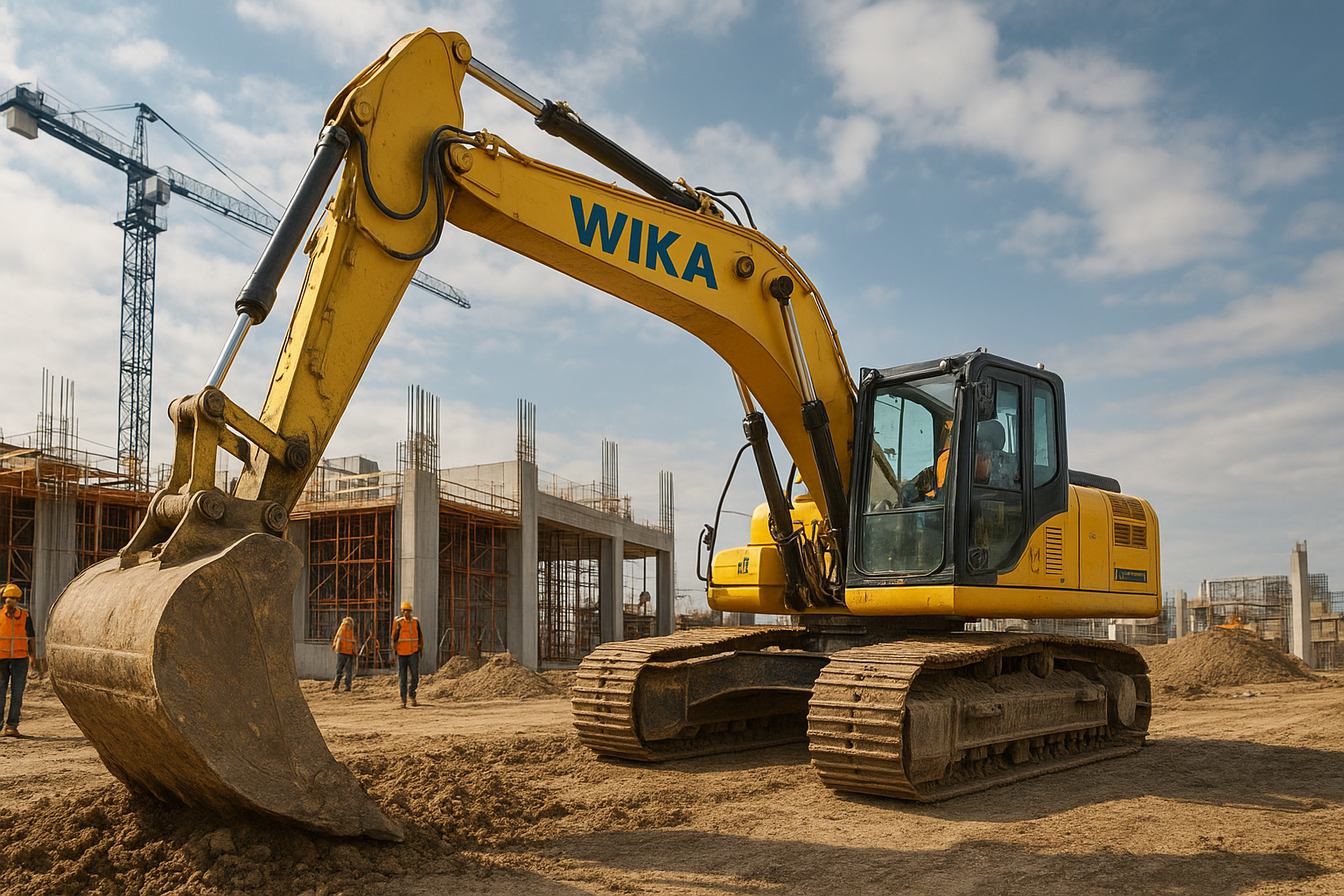
Indonesian construction major PT Wijaya Karya Tbk (WIKA) delays interest and profit-sharing payments on several bonds and sukuk due this December, citing weak new contracts and tight liquidity — raising concerns over its short-term credit risk. Yesterday, WIKA formally announced that it will postpone interest and profit-sharing payments on a set of bonds and Islamic sukuk (sukuk mudharabah) that were scheduled to mature in December 2025. The deferred instruments include multiple tranches: Sustainable Bonds I & II, and Sustainable Sukuk Mudharabah I & II.
According to WIKA’s Finance Director, the company is experiencing weaker contract acquisition and lower sales, a reflection of a broader downturn in the domestic construction sector — which in turn has squeezed its unrestricted cash flow, leaving insufficient liquidity to meet these debt service obligations on time.
As mitigation, WIKA plans to convene bondholder and sukuk-holder meetings on 4, 5, and 8 December 2025 to seek consent for the postponement and negotiate alternative payment schedules. This latest payment deferral adds to a string of financial distress signals at WIKA. Earlier in 2025, the company defaulted on at least two debt instruments maturing in February — forcing a temporary trading suspension of its shares by the Indonesia Stock Exchange (IDX).
Moreover, in August 2025, WIKA acknowledged “negligence” in meeting its obligations on several bonds and sukuk, prompting a downgrade by the rating agency Pefindo for some of its debt securities. The underlying root cause appears structural — as of Q3 2025, WIKA’s new contract bookings dropped sharply (~-60% y/y), reflecting subdued government infrastructure spending and a general slowdown in large-scale projects.
That said, WIKA has been attempting a financial restructuring since 2023: between Q2 2024 and Q2 2025, the company claims to have repaid around IDR 5.6 trillion in debt using operational cash, and has reduced interest-bearing obligations and supplier payables.
Short-term liquidity risk remains acute. WIKA’s decision to postpone payment signals that existing cash flows — even after partial deleveraging — may not be sufficient to cover debt servicing without further external support or restructuring. Credit risk for bond and sukuk holders has increased, likely prompting further rating downgrades or demand for higher risk premiums on future debt.
WIKA’s operational recovery depends heavily on a rebound in contract wins, which in turn hinges on improved infrastructure budget allocations or renewed large-scale government projects. In absence of that, the company may face recurring liquidity pressure.
For equity investors, the repeated payment delays and past defaults weigh heavily on confidence — risk of further share suspension or dilution remains non-trivial. Outcomes of the bondholder and sukuk-holder meetings scheduled early December — whether WIKA secures approval for debt rescheduling or obtains commitments for partial payments.
Summary Highlights
- WIKA postpones December 2025 interest and profit-sharing payments for multiple bonds and sukuk due to weak cash flow.
- Payment deferral affects both Sustainable Bonds I/II and Sustainable Sukuk Mudharabah I/II.
- Company cites steep decline in new contracts and slow sales amid sluggish construction sector as cause of cash shortage.
- WIKA will convene bondholder/sukuk-holder meetings in early December to negotiate rescheduling.
- The delay adds onto prior 2025 defaults and payment failures, worsening credit risk and investor confidence.
- Ongoing restructuring since 2023 has reduced some debt load — but liquidity remains fragile until contract inflows recover.
Join the Conversation
Please log in or create an account to view comments and post your own.