
More results

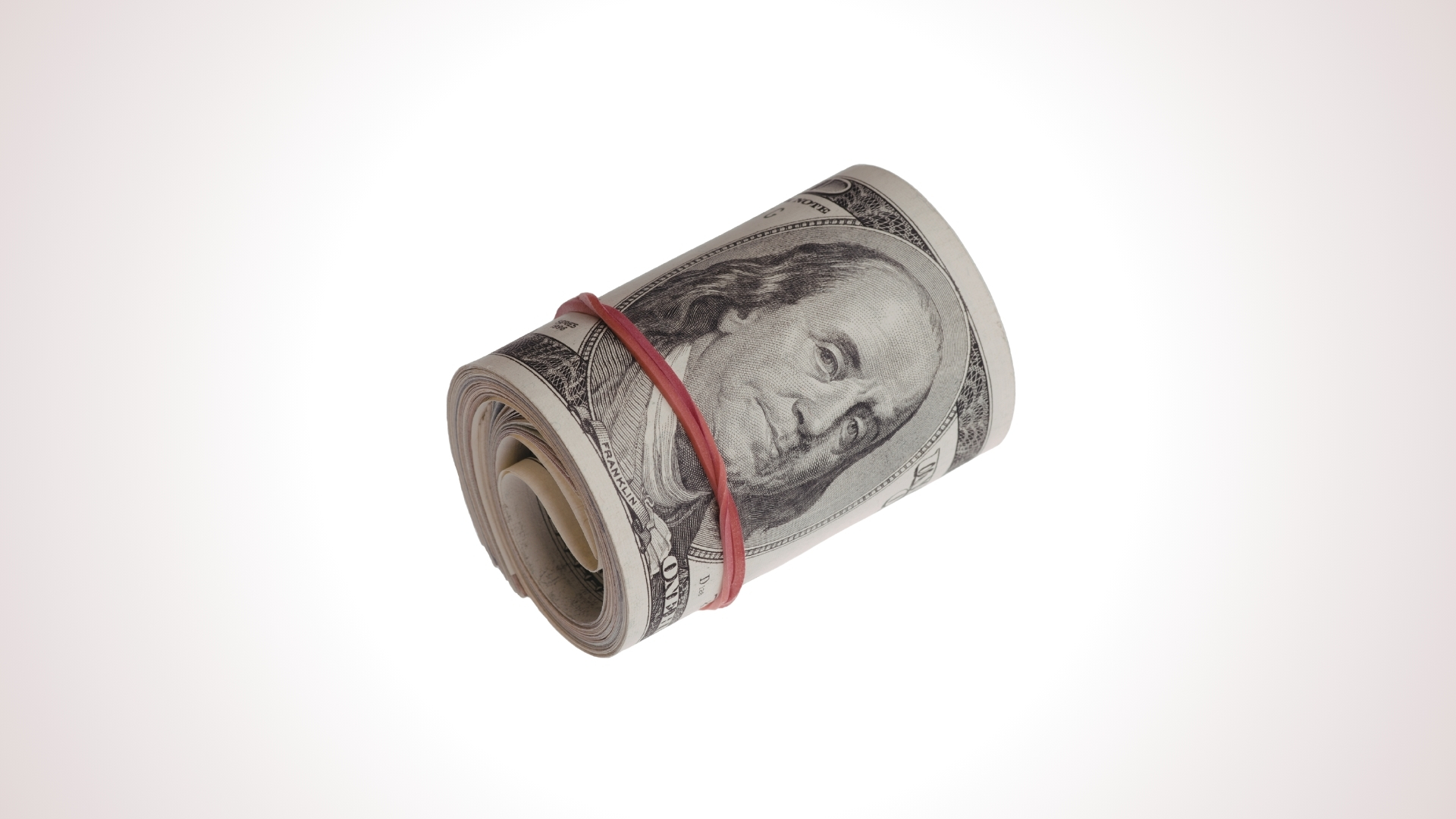
Crisis Capital and the Resurgence of Dollar Dominance
Periods of geopolitical instability tend to reveal the hidden architecture of the global financial system. Beneath the daily fluctuations of currencies and equity markets lies a structural hierarchy of safety, liquidity, and trust. When uncertainty rises, capital instinctively migrates toward the deepest and most liquid pools in the world economy. Over the past week, that migration has once again been visible in the strengthening of the US Dollar Index, which has climbed to its highest level in roughly nine months as investors reposition toward dollar assets.
The catalyst is a familiar combination of geopolitical tension, energy market volatility, and shifting expectations for U.S. monetary policy. The immediate consequence is equally familiar: a stronger U.S. dollar, weaker emerging market currencies, tighter global financial conditions, and renewed capital flows toward U.S. Treasury markets.
This pattern is not an anomaly. It is the structural reflex of the modern financial system. The dollar remains the world’s primary reserve currency, the dominant invoicing currency for global trade, and the backbone of international funding markets. When crises emerge, the demand for dollar liquidity intensifies across banks, corporations, governments, and investors.
In the current environment, three mechanisms are driving the dollar’s surge: a war-induced energy shock, rising inflation expectations that complicate central bank policy, and the growing realization that the Federal Reserve may not cut interest rates as quickly as markets previously expected.
Taken together, these forces are tightening the global liquidity cycle and reinforcing the gravitational pull of U.S. financial markets.
War, Energy Prices, and the Inflation Transmission Channel
The first catalyst is the re-emergence of geopolitical risk in energy markets. Wars and geopolitical tensions historically create asymmetric shocks in commodity markets because energy supply chains are geographically concentrated and politically sensitive.
When conflict disrupts or threatens supply routes, oil and gas prices rise rapidly. These increases feed directly into global inflation through multiple channels: transportation costs, industrial production, electricity generation, and food distribution. The result is an inflationary impulse that spreads far beyond the initial conflict zone.
This inflation transmission mechanism has immediate implications for currency markets. Higher global energy prices tend to strengthen the dollar for two reasons.
First, energy commodities are overwhelmingly priced in U.S. dollars. When oil prices rise, global importers must purchase more dollars to pay for energy, increasing demand for the currency.
Second, energy price spikes typically tighten global financial conditions. Higher inflation forces central banks to maintain tighter monetary policy, which raises borrowing costs and reduces risk appetite. In such environments, investors favor liquid and stable assets.
The ultimate destination of that capital is often the U.S. Treasury market, the largest and most liquid sovereign bond market in the world. Rising geopolitical uncertainty therefore triggers a dual demand shock: more dollars for trade settlement and more dollars for financial investment.
The Federal Reserve and the Repricing of Interest Rate Expectations
The second driver behind the dollar’s surge is the repricing of interest rate expectations in the United States. For much of the past year, markets anticipated that the Federal Reserve would begin cutting interest rates aggressively as inflation gradually moderated and economic growth cooled.
However, recent developments are complicating that narrative. Rising energy prices are threatening to slow the disinflation process, while the U.S. economy continues to demonstrate resilience across employment, consumption, and investment indicators.
This combination forces investors to reconsider the trajectory of U.S. monetary policy. If inflation remains persistent, the Federal Reserve may delay rate cuts or reduce the magnitude of easing cycles. In financial markets, expectations matter as much as actual policy decisions.
When interest rate cuts are delayed, U.S. yields remain elevated relative to the rest of the world. Higher yields attract global capital seeking both safety and return. This dynamic strengthens the dollar because investors must convert foreign currencies into dollars to purchase U.S. bonds, equities, and other financial assets.
In effect, the interest rate differential between the United States and other economies becomes a powerful magnet for capital. The dollar appreciates not only because of crisis demand but also because of yield advantage.
The Global Dollar Funding System
To understand why the dollar strengthens during crises, it is necessary to examine the deeper structure of global finance. The modern international monetary system is built on a vast network of dollar-denominated credit and liabilities.
Corporations borrow in dollars. Banks fund themselves in dollars. Commodities are priced in dollars. Sovereign bonds are frequently issued in dollars. Even outside the United States, the currency functions as a critical unit of account and settlement.
This system creates a structural dependence on dollar liquidity. During stable periods, global institutions can access dollar funding easily through commercial banks, capital markets, or currency swaps. But during periods of stress, access to dollar funding becomes more expensive and more scarce.
When uncertainty rises, financial institutions rush to secure dollar liquidity as a precaution. The result is a surge in demand for the currency that pushes its value higher against nearly every other major currency.
In other words, the dollar’s strength during crises is not merely a reflection of investor sentiment. It is embedded in the plumbing of the global financial system.
Emerging Markets and the Currency Pressure Cycle
The counterpart to a stronger dollar is a weaker emerging market currency complex. This dynamic is particularly visible in countries with large external financing needs, significant foreign-currency debt, or heavy dependence on commodity imports.
When the dollar strengthens, emerging markets face several simultaneous pressures. First, capital tends to flow out of riskier assets and back into U.S. markets. Second, dollar-denominated debt becomes more expensive to service as local currencies depreciate. Third, higher energy prices increase import costs and widen trade deficits.
These pressures can create a feedback loop in financial markets. Currency depreciation raises inflation through higher import prices, forcing central banks to maintain higher interest rates. Higher rates slow economic growth, which further weakens investor confidence.
This cycle is a recurring feature of global macroeconomic crises. It was visible during the Asian financial crisis of the late 1990s, the global financial crisis of 2008, and the pandemic-era dollar liquidity shock in 2020.
Although emerging markets today generally have stronger foreign exchange reserves and more flexible exchange rate regimes, the fundamental vulnerability remains: dependence on dollar liquidity.
Capital Flows and the Return to U.S. Assets
The strengthening of the dollar also reflects a broader shift in global capital flows. When investors perceive rising systemic risk, they tend to rebalance portfolios toward assets that combine liquidity, transparency, and institutional credibility.
Few markets meet those criteria as consistently as the United States. The U.S. Treasury market offers unparalleled depth and liquidity. American equity markets host many of the world’s largest technology and industrial firms. U.S. financial institutions operate within a regulatory system that global investors broadly trust.
As a result, crises frequently trigger a wave of capital repatriation toward U.S. assets. Pension funds increase allocations to Treasuries. Sovereign wealth funds rebalance portfolios toward dollar-denominated securities. Hedge funds unwind risk positions in emerging markets and redeploy capital into liquid instruments.
This process reinforces the dollar’s strength. Each capital inflow requires the purchase of dollars, which pushes the currency higher and tightens financial conditions globally.
From a hedge-fund perspective, the dollar rally is therefore not simply a currency story. It is a cross-asset narrative that encompasses bonds, equities, commodities, and global liquidity.
The Paradox of Dollar Strength
The dollar’s role as a safe haven creates a paradox for the global economy. On one hand, the availability of a trusted reserve currency stabilizes the financial system during crises. Investors have a reliable destination for capital, which reduces panic and prevents disorderly market collapses.
On the other hand, the strengthening of the dollar can amplify financial stress in the rest of the world. Emerging markets face tighter financial conditions, higher borrowing costs, and weaker currencies. Even advanced economies may experience slower growth if global trade contracts.
This tension reflects the asymmetric structure of the international monetary system. The United States benefits from the dollar’s dominance through lower borrowing costs and persistent demand for its financial assets. Other countries must manage the volatility that accompanies shifts in dollar liquidity.
Economists sometimes refer to this phenomenon as the “exorbitant privilege” of the United States, a term popularized by French policymakers in the 1960s.
Second-Order Effects: Commodities, Trade, and Global Liquidity
Beyond currency markets, a stronger dollar carries several second-order effects across the global economy. Commodity prices often face downward pressure when measured in dollar terms because a stronger dollar makes commodities more expensive for non-U.S. buyers.
At the same time, global trade flows may slow as currency volatility increases hedging costs for corporations. Companies operating in emerging markets may delay investment decisions if exchange rate risks become unpredictable.
Financial markets can also experience tightening liquidity conditions. As the dollar appreciates, central banks outside the United States may intervene to stabilize their currencies or raise interest rates to defend capital inflows.
This dynamic effectively exports U.S. monetary policy to the rest of the world. Even if domestic conditions differ, many countries must align their policies with the global dollar cycle.
What Investors Are Watching Next
The trajectory of the dollar over the coming months will depend on three critical variables.
First is the evolution of geopolitical tensions and their impact on energy markets. If supply disruptions intensify, inflation expectations may rise further, reinforcing the dollar’s safe-haven demand.
Second is the policy path of the Federal Reserve. Any indication that interest rate cuts will be delayed could extend the dollar’s rally by widening yield differentials with other major economies.
Third is the resilience of global growth. If emerging markets experience significant financial stress, capital flight toward U.S. assets could accelerate.
For now, the message from currency markets is clear. In times of uncertainty, the architecture of global finance reasserts itself. Capital flows toward safety, liquidity becomes paramount, and the U.S. dollar once again stands at the center of the global monetary system.
The current rally in the US Dollar Index is therefore not merely a reaction to a week of headlines. It is a reminder of the enduring structure of the international financial order, one in which crises consistently reinforce the central role of the dollar.
Join the Conversation
Please log in or create an account to view comments and post your own.